
Swim Lesson Frequency Best Practices for Young Kids
- superheroswim
- Jun 13
- 8 min read

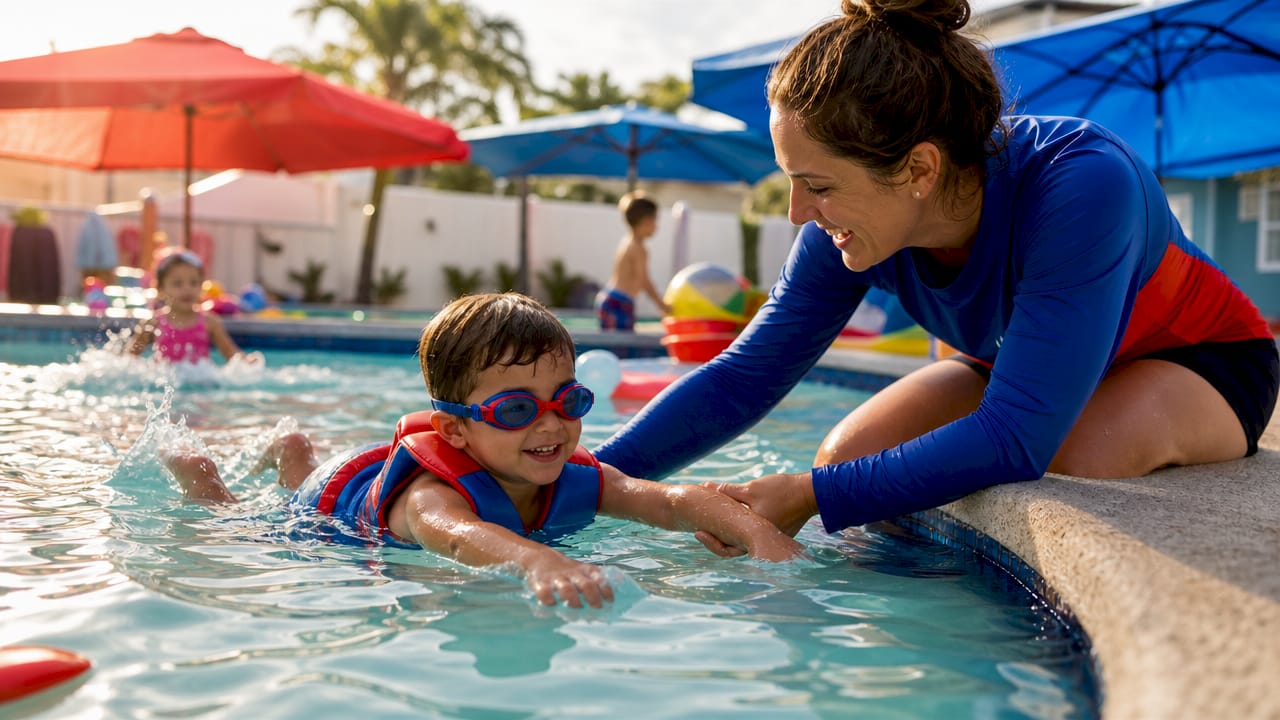
Swim lesson frequency best practices recommend that young children attend two to three swim lessons per week, spaced evenly across the week, to build water competency, muscle memory, and genuine safety skills. The American Academy of Pediatrics treats swim lessons as an ongoing layer of protection, not a one-time event, which means how often your child gets in the water matters as much as whether they attend at all. Research from SPEEDISWIM and Waterworks Swim School confirms that spacing and consistency are the two variables parents most often underestimate. This article ranks your real frequency options, explains the science behind spacing, and helps you build a schedule your family can actually sustain.
1. Swim lesson frequency best practices: the ranked options
Not all lesson schedules produce the same results. Here is how the most common frequency options stack up for young learners.
Three sessions per week (spaced 2 days apart)
This is the gold standard for beginners and toddlers building foundational water safety skills. Three sessions per week gives the brain and body enough repetition to lock in new movements without overwhelming a young child. The spacing prevents the “reorientation overhead” that occurs when too much time passes between lessons, meaning your child spends less time re-familiarizing and more time actually progressing.
Pros: Fastest skill acquisition, strongest muscle memory, highest confidence gains
Cons: Higher cost, more demanding on family schedules
Best for: Toddlers and beginners who need to reach basic water competency quickly
Two sessions per week (spaced 3 to 4 days apart)
Two or more sessions weekly represent the most practical sweet spot for most families. Children attending twice a week develop muscle memory faster than once-weekly peers and show measurably better retention between lessons. A Monday and Thursday schedule, for example, keeps the gap at three days in both directions, which is close to ideal.
Pros: Strong skill retention, manageable cost, fits most school schedules
Cons: Slightly slower progress than three times per week
Best for: Most children ages 1 to 8 regardless of current skill level
Once per week
Weekly lessons are better than no lessons, but the gap between sessions is long enough to cause noticeable skill regression, especially in children under age 5. Your child may spend the first 10 minutes of each lesson relearning what they practiced the week before. That is not wasted time, but it does slow the overall arc of progress.
Pros: Budget-friendly, easy to schedule, still builds skills over time
Cons: Higher risk of regression, slower confidence building
Best for: Older children maintaining existing skills or families with tight schedules
Intensive programs (daily lessons for 1 to 2 weeks)
Holiday or summer intensive programs offer daily lessons for a short burst. They can produce rapid early gains, but one study in 6-year-olds found that daily versus weekly lessons did not significantly impact front crawl performance, which suggests intensity alone does not guarantee all learning outcomes. Intensives work best as a launch pad, followed by regular weekly or twice-weekly maintenance sessions.
Pros: Fast initial progress, great for summer readiness
Cons: Skills can fade quickly without follow-up lessons
Best for: Children who need a confidence boost before a beach vacation or pool season
Pro Tip: If your family can only commit to one frequency, choose twice per week over once per week. The difference in skill retention over a three-month period is significant, and the cost difference is often smaller than parents expect.
2. Why swim lesson frequency matters for skill retention
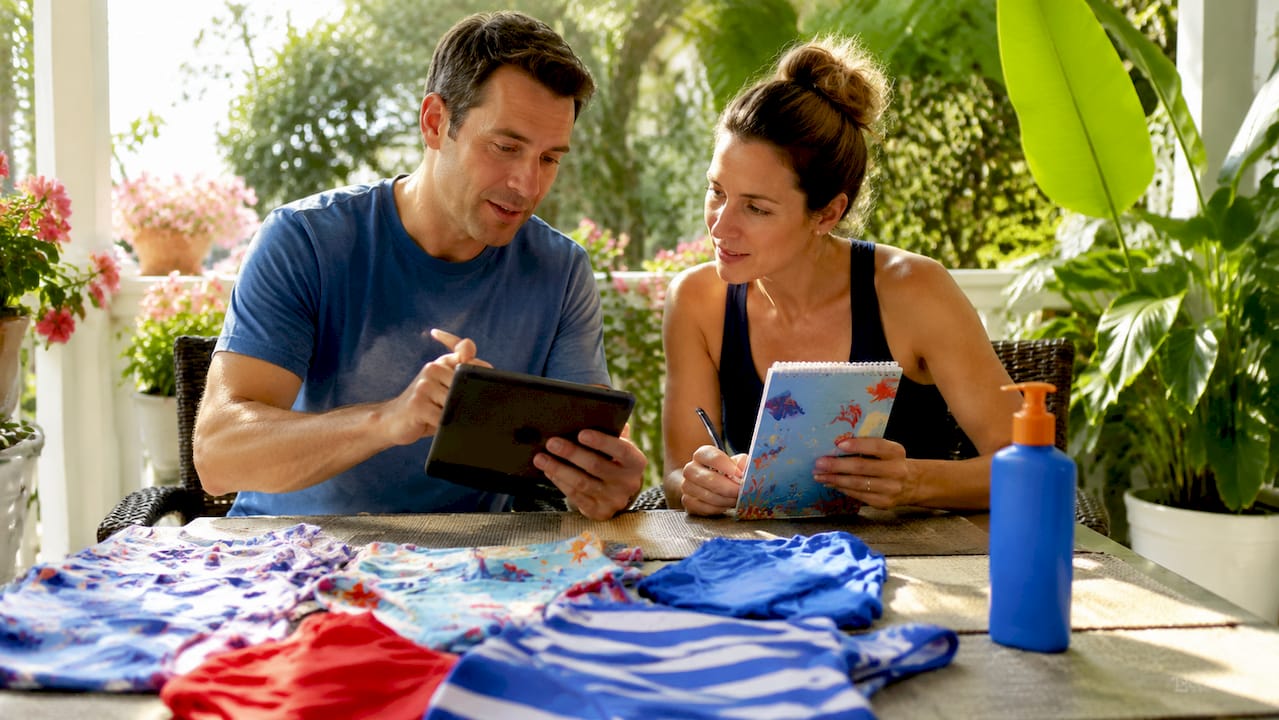
Frequent lessons reinforce the motor pathways that make swimming automatic. When a child practices a skill like floating or kicking, the nervous system begins building a movement pattern. Repeat that pattern within a few days and it strengthens. Wait too long and it fades. This is why sessions spaced 2 to 4 days apart consistently outperform longer-gap schedules for young swimmers.
Here are the four measurable benefits of twice-weekly or more frequent lessons:
Faster muscle memory formation. Repeated short sessions build motor patterns more efficiently than infrequent long ones. Two 30-minute lessons per week outperform one 60-minute session because the brain consolidates learning during the rest period between sessions.
Reduced learning decay. Gaps longer than five to seven days cause measurable skill regression in young children. Frequent lessons keep skills active and reduce the frustration of starting over.
Greater water confidence. Children who enter the water multiple times per week normalize the experience faster. Anxiety decreases because the pool stops feeling unfamiliar.
Cumulative safety gains. Each session adds a new layer of water competency. Over time, these layers compound into genuine survival skills rather than isolated techniques.
Consistency matters more than chasing a perfect number. Sustained attendance at one session per week produces better long-term outcomes than sporadic attendance at three sessions per week. The schedule your family can actually keep is always better than the ideal schedule you abandon after two weeks.
3. How to space swim lessons throughout the week
The gap between lessons is as important as the number of lessons. Spacing lessons about 2 to 4 days apart prevents skill fade and avoids the reorientation overhead that eats into lesson time. Avoid scheduling back-to-back days for young children, since physical fatigue and mental saturation reduce the quality of learning in the second session.
Practical weekly schedule examples:
Twice per week: Monday and Thursday, or Tuesday and Friday
Three times per week: Monday, Wednesday, and Friday
Once per week with backyard reinforcement: Saturday lesson plus one informal water play session midweek to maintain comfort
Gaps longer than seven days are where real regression sets in. If your child misses a lesson, try to reschedule within the same week rather than waiting until the next scheduled slot. Even a short 20-minute backyard pool session can maintain the neural pathways built during formal lessons. For families managing multiple activities, balancing swim lessons with school activities requires planning ahead rather than fitting lessons in wherever a gap appears.
Pro Tip: Use a shared family calendar app like Google Calendar or Cozi to block swim lesson slots as non-negotiable appointments. Treating them like doctor visits rather than optional activities dramatically improves attendance consistency.
Consider your child’s physical recovery needs as well. Toddlers tire faster than school-age children, so a 30-minute lesson three times per week is more productive than a 45-minute lesson that ends with an exhausted, uncooperative child. Lesson duration and spacing work together. For families exploring flexible timing, weekend lesson availability can solve the weekday scheduling problem without sacrificing frequency.
4. Situational frequency recommendations by age, skill, and family needs
The optimal swim lesson schedule is not one-size-fits-all. Age, current skill level, and household constraints all shape the right answer for your child.
Child Profile | Recommended Frequency | Notes |
Infant or toddler (ages 1 to 3), beginner | 2 to 3 times per week | Builds water comfort and basic survival skills quickly |
Preschooler (ages 3 to 5), beginner | 2 times per week | Balances skill building with developmental attention span |
School-age child (ages 6 to 8), intermediate | 1 to 2 times per week | Maintains and advances existing skills |
Any age, pre-vacation readiness | Intensive program (daily, 1 to 2 weeks) | Follow with regular sessions to retain gains |
Any age, budget-constrained family | 1 time per week minimum | Supplement with supervised water play between sessions |
The American Academy of Pediatrics notes that children can begin lessons as early as age 1, with frequency supporting gradual water competency acquisition matched to emotional and physical maturity. Younger children benefit from more frequent shorter sessions because their developmental windows for building water comfort are narrow and time-sensitive.
Budget is a real constraint for many families. Understanding the factors that influence swim lesson costs helps you make frequency decisions that are financially sustainable. A child attending twice-weekly lessons for six months builds more durable skills than a child attending three times per week for six weeks before the family burns out on the expense.
Refresher lessons matter too. The AAP frames swim lessons as ongoing water competency training, not a program you complete and move on from. Plan for seasonal refreshers, especially after long breaks from the water, to maintain the safety skills your child has worked to build.
Key takeaways
The most effective swim lesson schedule for young children is two to three sessions per week, spaced two to four days apart, maintained consistently over time.
Point | Details |
Two to three sessions per week is optimal | Spaced 2 to 4 days apart, this frequency builds muscle memory and prevents skill regression. |
Consistency beats perfection | A child reliably attending once per week progresses better than one sporadically attending three times per week. |
Gaps over seven days cause regression | Reschedule missed lessons within the same week to protect skill retention. |
Age and skill level shape the right frequency | Toddlers and beginners need more frequent sessions; older swimmers can maintain skills with fewer. |
Lessons are an ongoing safety layer | The AAP recommends refresher sessions as skills are mastered, not a one-and-done approach. |
What I’ve learned from watching 2,500 kids learn to swim
The parents who get the best results from swim lessons are not the ones who find the most expensive program or the most credentialed instructor. They are the ones who show up on a Tuesday when their child is tired and would rather watch TV. Consistency is the variable that separates children who become genuinely water-safe from children who can perform a skill in a lesson but freeze in an uncontrolled situation.
I have seen families enroll in three-times-per-week programs with the best intentions and drop to once per week by week four because the schedule was unsustainable. I have also seen children in once-weekly programs who, because they never missed a session for six months, developed stronger foundational skills than peers who attended more frequently but erratically. The research backs this up. Realistic, sustained frequency that fits your family’s life produces better long-term outcomes than an ambitious schedule that collapses under real-world pressure.
One more thing parents underestimate: frequency is not a substitute for supervision. 69% of children under age 5 who drown were not expected to be near water at the time. Swim lessons, regardless of how often your child attends, are one layer of a safety strategy that must also include barriers, supervision, and ongoing education. Choose a frequency you can sustain, pair it with vigilant water safety habits at home, and treat the whole thing as a long-term investment rather than a short course.
— SUPERHERO
Start your child’s swim journey with Superheroswimacademy
Superheroswimacademy offers structured swim programs in Palm Beach and Broward counties designed around the twice-weekly and three-times-weekly schedules that research supports. Every instructor holds CPR and First Aid certification and is trained in the academy’s proven survival swim curriculum. Parents receive regular progress updates so you always know exactly where your child stands against their water competency goals.
With over 2,500 children taught, Superheroswimacademy has helped families across South Florida build the consistent lesson habits that produce genuinely safer swimmers. Visit Superheroswimacademy to explore program options, or check available locations near you to find a schedule that fits your family’s week.
FAQ
How often should young children take swim lessons?
Two to three times per week is the recommended frequency for most young children. Sessions spaced 2 to 4 days apart produce the strongest skill retention and the fastest progress toward water competency.
Is once-a-week swimming enough for a toddler?
Once per week is better than no lessons, but it carries a higher risk of skill regression between sessions. Toddlers benefit most from twice-weekly lessons because their motor learning is still developing and gaps longer than five to seven days can erase recent gains.
What happens if my child misses a swim lesson?
Missing one lesson occasionally is not a crisis, but try to reschedule within the same week. Gaps longer than seven days cause measurable regression in young swimmers, so maintaining the spacing rhythm matters more than hitting a specific number of sessions per month.
At what age should swim lessons start?
The American Academy of Pediatrics supports starting swim lessons as early as age 1, with frequency and lesson content matched to the child’s emotional and physical readiness. Earlier starts combined with consistent attendance build water comfort during the developmental window when it forms most naturally.
Do intensive daily swim programs work for young children?
Intensive programs can produce fast early gains and work well as a confidence boost before pool season. However, research shows that daily versus weekly frequency does not always produce significantly different skill outcomes, so intensives are most effective when followed by regular ongoing sessions.
Recommended
Comments