
Why Toddlers Need Structured Swim Lessons: 2026 Guide
- superheroswim
- Jul 21
- 6 min read

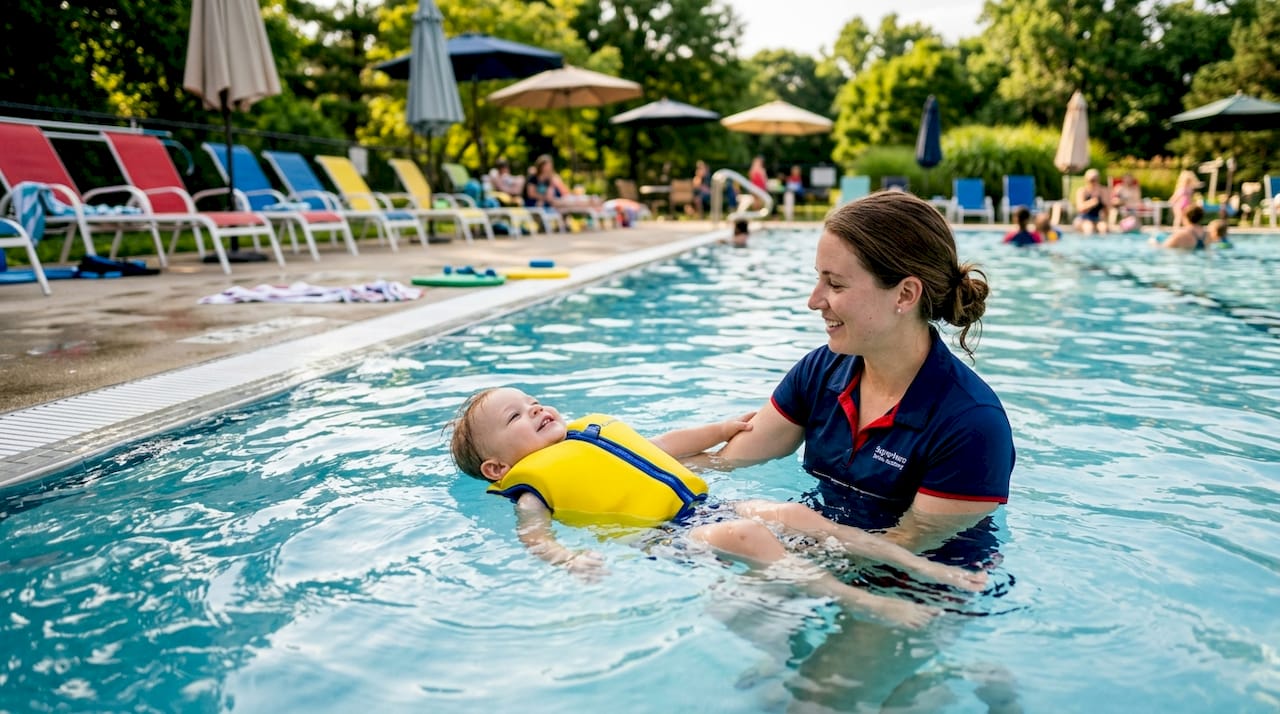
Structured swim lessons are one of the most effective safety investments you can make for a toddler. The American Academy of Pediatrics recommends swim lessons as a protective layer against drowning starting at age 1, and a case-control study found that children ages 1–4 who took formal lessons were 88% less likely to drown than matched peers who did not. Beyond safety, early aquatic education builds gross motor skills, social confidence, and a comfort with water that carries into adulthood. The benefits go well past “learning to swim.”
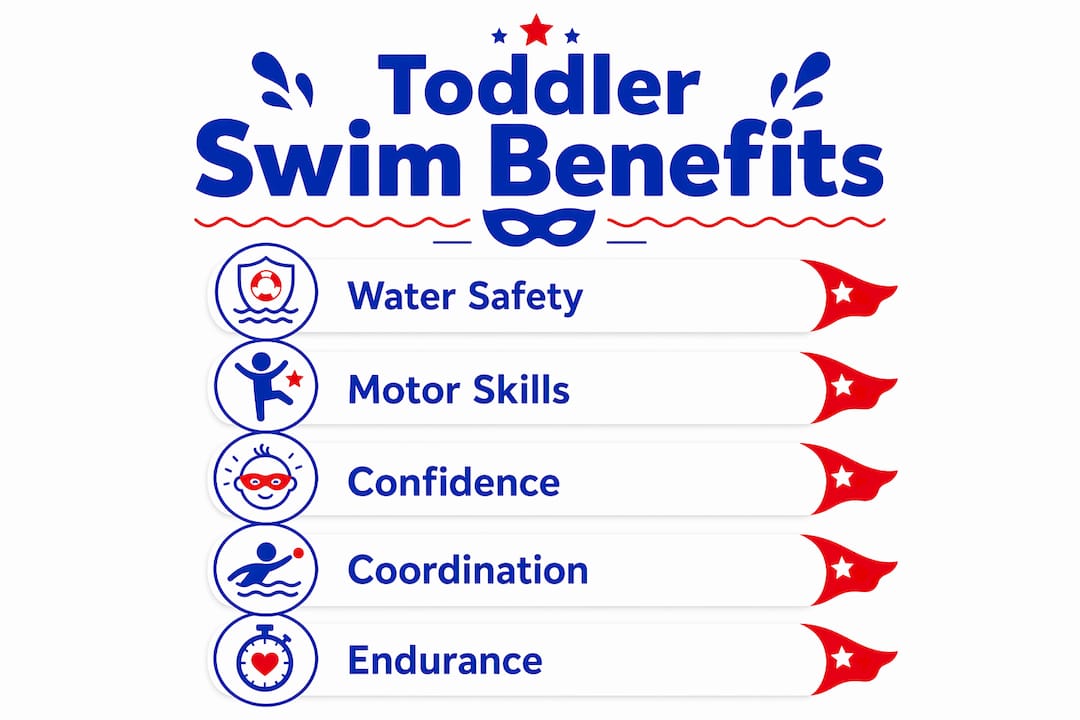
Key benefits at a glance:
Dramatically reduces drowning risk for toddlers in early childhood
Supports gross motor development and coordination during critical growth windows
Builds water confidence and reduces anxiety through consistent routine
Teaches survival skills like back floating and self-rescue before stroke technique
Develops behavioral skills: turn-taking, following cues, and group interaction
Provides a foundation for lifelong fitness and physical activity
Why structured swim lessons are the first line of water safety
Drowning is a leading cause of accidental death among children in the United States, and toddlers face the highest risk. The leading danger for ages 1–4 is unexpected, unsupervised access to water. Kids wander. A backyard pool, a neighbor’s pond, a bucket left outside. They find water before anyone realizes they are gone.
Safety stat: Children ages 1–4 who take formal swim lessons are 88% less likely to drown than children who do not, according to a case-control study that directly informed the AAP’s current guidance.
Structured lessons teach survival skills, not just strokes. A toddler who learns to roll onto their back and float buys critical time in an emergency. Self-rescue skills, water entry and exit, and basic breath control are the goals of early aquatic education, and they matter far more at this age than freestyle technique.
One thing lessons cannot do: replace supervision. The AAP is explicit that swim lessons are one layer of protection, not a complete solution. Constant adult supervision within arm’s reach remains the single most important factor in preventing child drowning. Parents who assume a child with swim experience is safe unattended near water are taking a real risk. Lessons reduce danger; they do not eliminate it.
Children with autism spectrum disorder face an especially acute risk. Autistic children are 40 times more likely to die from drowning than the general population, largely because of a tendency to wander. For these families, starting structured lessons early is not optional.
How swim lessons support motor skills and coordination
Early aquatic exposure does more for a toddler’s body than most parents expect. A longitudinal study found that starting swimming around age 1 promotes gross motor skill development with benefits that persist through early childhood, while fine motor improvements tend to appear later in the developmental timeline.
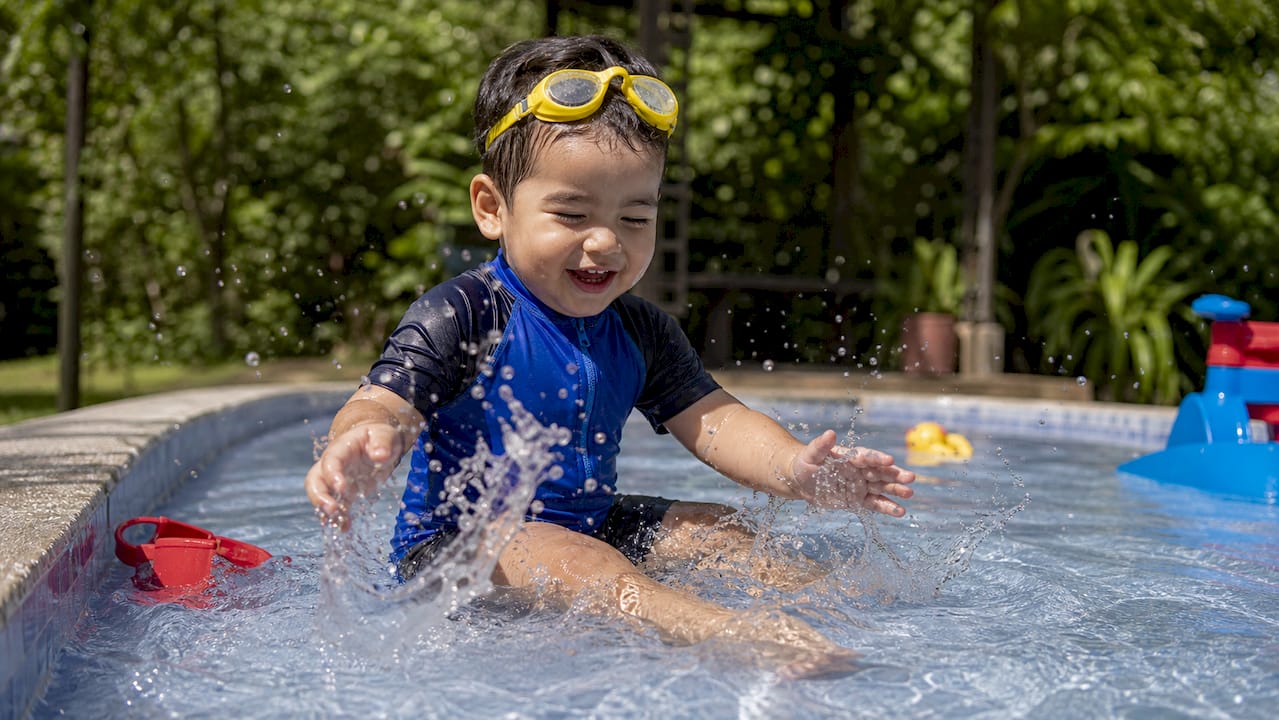
The physical demands of moving through water challenge a toddler’s balance, bilateral coordination, and spatial awareness in ways that land-based play simply cannot replicate. Water provides resistance without impact, making it ideal for building strength and body control during the 18–60 month window when foundational motor skills are forming.
Research-backed developmental benefits of early swim lessons:
Improved gross motor competence from infancy through age 3
Enhanced balance and coordination that transfers to other physical activities
Neurological stimulation from aquatic movement during critical growth periods
Motor and social skill gains for children with ASD, including improvements in running, catching, and balancing, have been observed
Behavioral improvements in children with ADHD after as few as 12 weeks of swim lessons
Developmental area | How swim lessons help |
Gross motor skills | Water resistance builds strength and coordination during key growth windows |
Balance and posture | Floating and kicking challenge core stability in ways land play does not |
Neurological development | Aquatic movement stimulates motor pathways during the 18–60 month window |
Social and behavioral skills | Group lessons teach turn-taking, cue-following, and peer interaction |
Mental health (ASD/ADHD) | Structured aquatic exercise reduces anxiety and improves focus and behavior |
Swimming also supports mental development, endurance, and general coordination across children of nearly any background or ability level. Skills built in the pool transfer directly to other sports and physical activities as children grow.
Building water confidence through consistency and routine
Water confidence is not something a toddler picks up in one or two sessions. It builds through repetition, and that is exactly what structured programs are designed to deliver. Consistent swim lessons accelerate skill development and build lasting safety habits because the brain retains what it practices regularly.
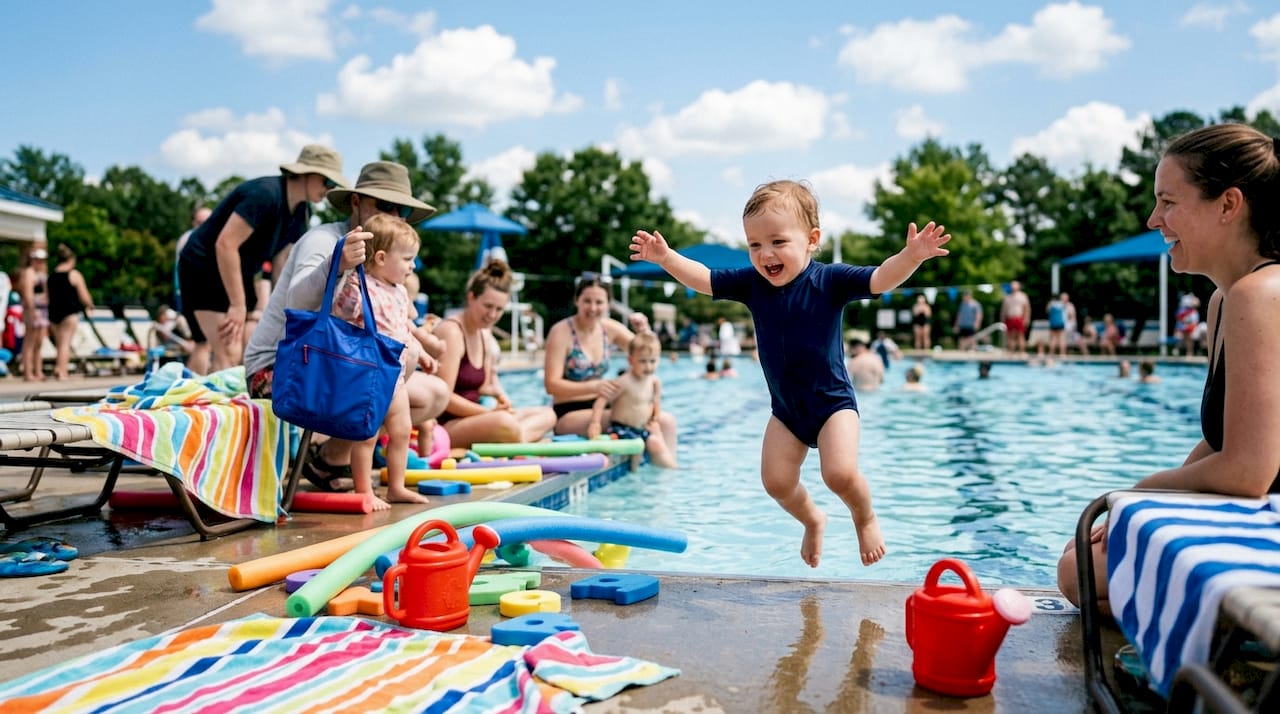
The concept of water acclimation comes first. Before a toddler can learn a stroke, they need to feel calm and in control in the water. That calm is a safety skill in itself. A child who panics when submerged cannot execute a self-rescue. A child who has learned to stay relaxed, float on their back, and orient themselves has a fighting chance.
Structured programs create predictable routines that toddlers respond to well. They learn to wait their turn, follow instructor cues, and read the rhythm of a class. These behavioral skills reduce pool anxiety and make each subsequent session easier. Group lessons also offer social learning benefits that individual practice cannot replicate: watching peers attempt a skill and succeed is one of the most powerful motivators for young children.
How you can reinforce water confidence between lessons:
Practice bath-time water comfort: blowing bubbles, pouring water over the head, opening eyes underwater
Use positive language around water; avoid expressing your own fear in front of your child
Attend lessons consistently; irregular attendance breaks the routine that builds comfort
Celebrate small wins, like floating independently or jumping in from the step
Let your child observe other kids swimming before their first lesson if they seem anxious
Pro Tip: Ask your child’s instructor what specific skill to practice at home between sessions. Targeted repetition between classes accelerates progress faster than general water play alone.
How to choose the right toddler swim lesson program
Not all swim programs are built the same, and the differences matter when your child is 2 years old and just learning to trust the water. The right program combines qualified instructors, a safety-focused curriculum, and an environment that matches your toddler’s developmental stage.
Qualified instructors with current CPR and First Aid certification are the baseline. Beyond that, look for teachers trained through a nationally recognized curriculum that emphasizes water survival competency, not just stroke technique. A good instructor evaluates each child’s progress and gives you regular feedback.
What to look for in a toddler swim program:
Certified instructors with CPR, First Aid, and recognized curriculum training
Low child-to-instructor ratios so your toddler gets real attention
A curriculum that prioritizes survival skills: back floating, self-rescue, water entry and exit
Parent participation options, especially for children under 3
Clear progress tracking with regular updates to parents
A policy that lets you observe a class before enrolling
Age-appropriate activities that match your child’s emotional and physical readiness
Red flags to watch for:
Long wait times between turns with minimal time in the water
No visible safety protocols or lifeguard presence
Instructors who push skills before a child is emotionally ready
No communication with parents about individual progress
A curriculum focused entirely on stroke technique with no survival skills component
Readiness is not purely about age. The AAP notes that children develop at different rates, and emotional maturity, comfort near water, and basic motor skills matter as much as a birthday. If your child is not ready at 12 months, that is fine. Watch for signs: can they follow simple instructions? Are they curious rather than terrified near water? Those are better readiness indicators than a calendar. You can also explore age-appropriate swim instruction guidance to help gauge where your toddler stands.
Superheroswimacademy: what a specialized toddler program looks like
Superheroswimacademy operates in Palm Beach and Broward counties with a program built specifically around infant and toddler survival swimming. Every instructor completes rigorous training in CPR, First Aid, and the academy’s own proven survival swim curriculum before they ever work with a child. That is not a standard every program meets.
The curriculum centers on what actually saves lives at this age: water acclimation, back floating, and self-rescue skills. Stroke development comes later. Parents stay actively involved through clear goal-setting and regular progress updates, so you always know exactly where your child stands and what comes next. That transparency is one of the things that sets the program apart from more generic group lessons.
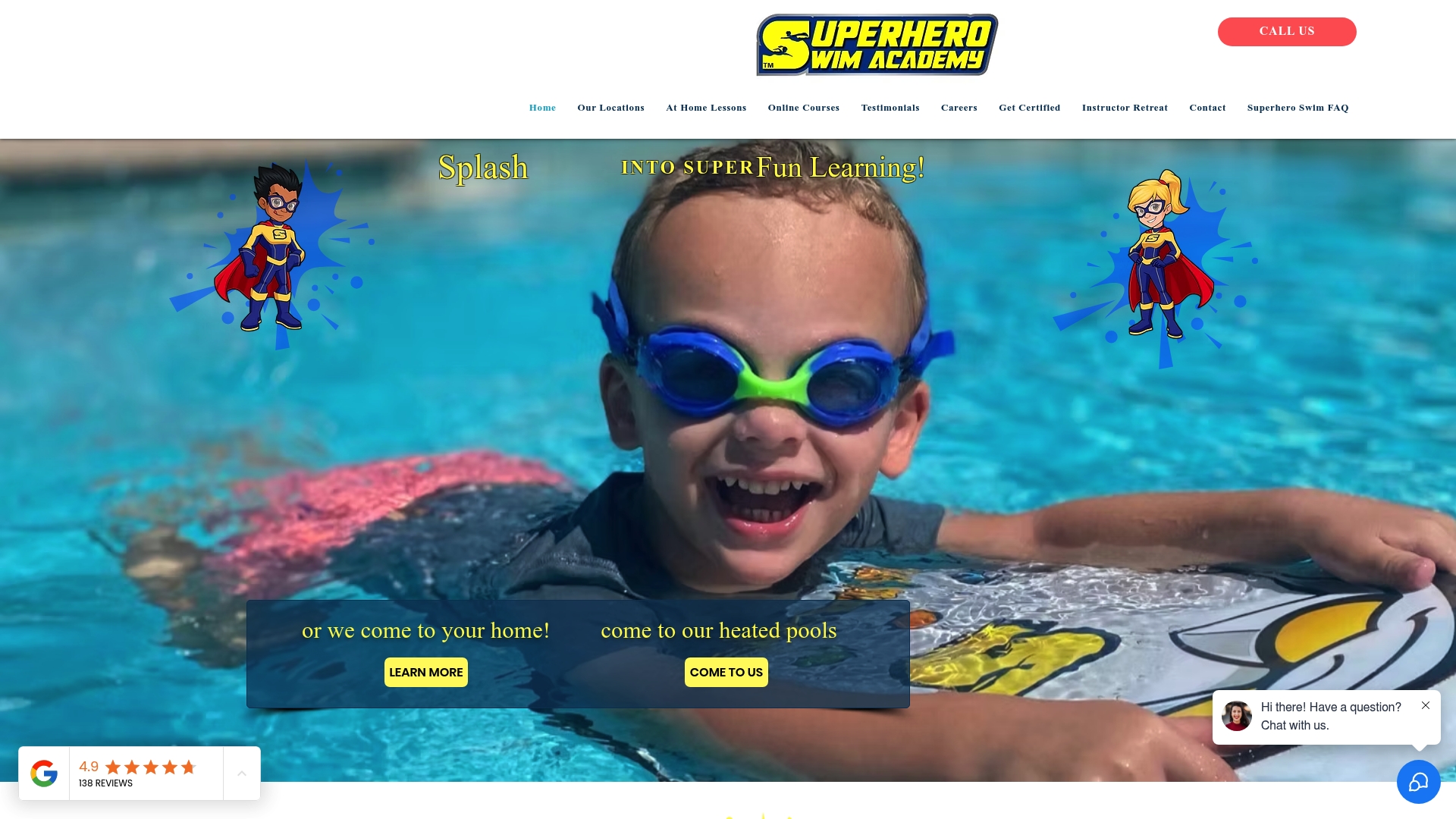
Superheroswimacademy has taught over 2,500 children, with parents consistently reporting meaningful improvements in water safety and confidence within a short period. The combination of a safety-first curriculum, certified instructors, and genuine parent engagement reflects exactly what current evidence-based guidance recommends for toddler aquatic education.
If you are in Palm Beach or Broward County and ready to get your toddler started, explore lessons and locations at Superheroswimacademy.
Key Takeaways
Structured swim lessons reduce drowning risk, build motor skills, and develop water confidence in toddlers when delivered consistently by qualified instructors using a survival-focused curriculum.
Point | Details |
Drowning risk reduction | Children ages 1–4 in formal lessons are 88% less likely to drown than those without lessons. |
Start age and readiness | The AAP recommends lessons from age 1; emotional maturity and motor skills matter more than exact age. |
Survival skills first | Back floating and self-rescue are the priority at this age, not stroke technique. |
Consistency builds confidence | Regular lessons create routine, reduce water anxiety, and accelerate skill retention over time. |
Instructor qualifications matter | Look for CPR and First Aid certification, a recognized curriculum, and low child-to-instructor ratios. |
Recommended
Comments