
How to Set Swim Learning Goals for Kids That Stick
- superheroswim
- Jun 22
- 7 min read

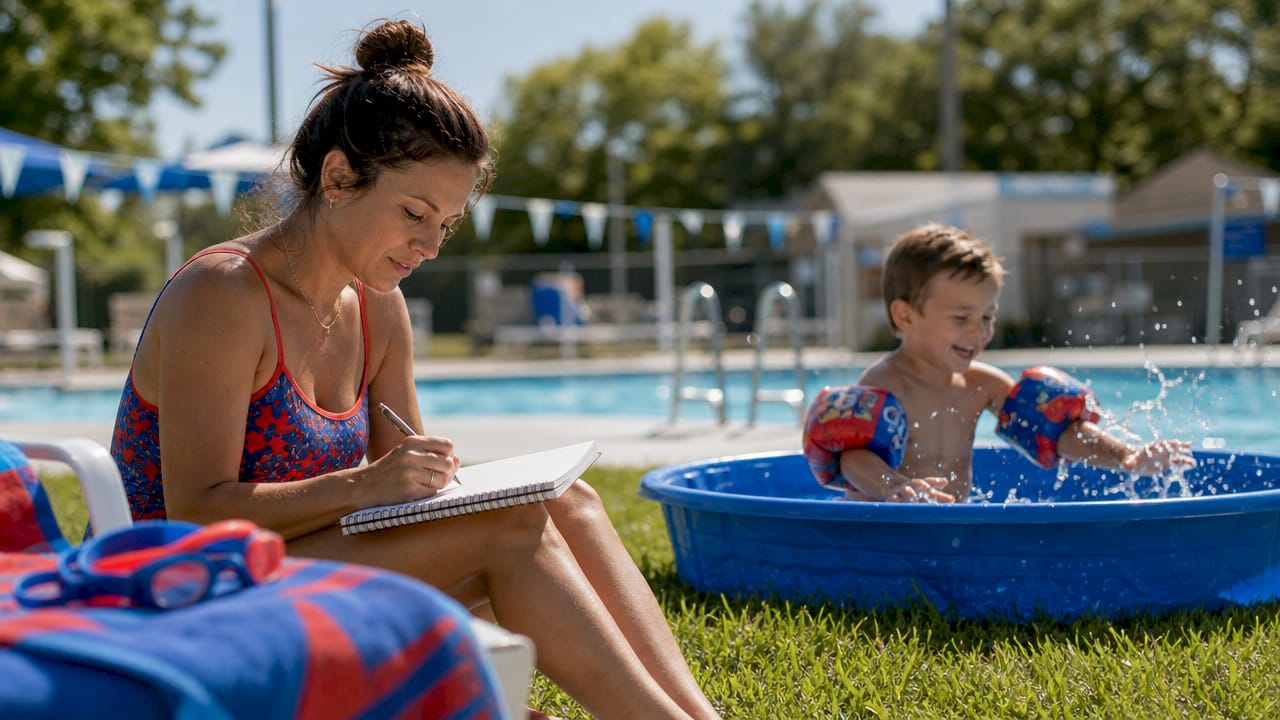
Setting swim learning goals for kids means creating clear, measurable, and age-appropriate objectives that guide safe and effective aquatic skill development. The American Academy of Pediatrics (AAP) recommends swim lessons as a drowning-prevention layer starting as early as age 1, depending on a child’s readiness. Goals that are specific and achievable do more than teach strokes. They build water confidence, reinforce safety habits, and give children a sense of real progress. This guide gives parents a practical framework for structuring swimming goals for children at every stage.
How do you set swim learning goals for kids?
Setting swim learning goals for kids starts with understanding what your child can do right now. A goal like “swim across the pool” means nothing to a toddler who has never put her face in the water. The right goal meets your child exactly where she is and moves her one step forward.
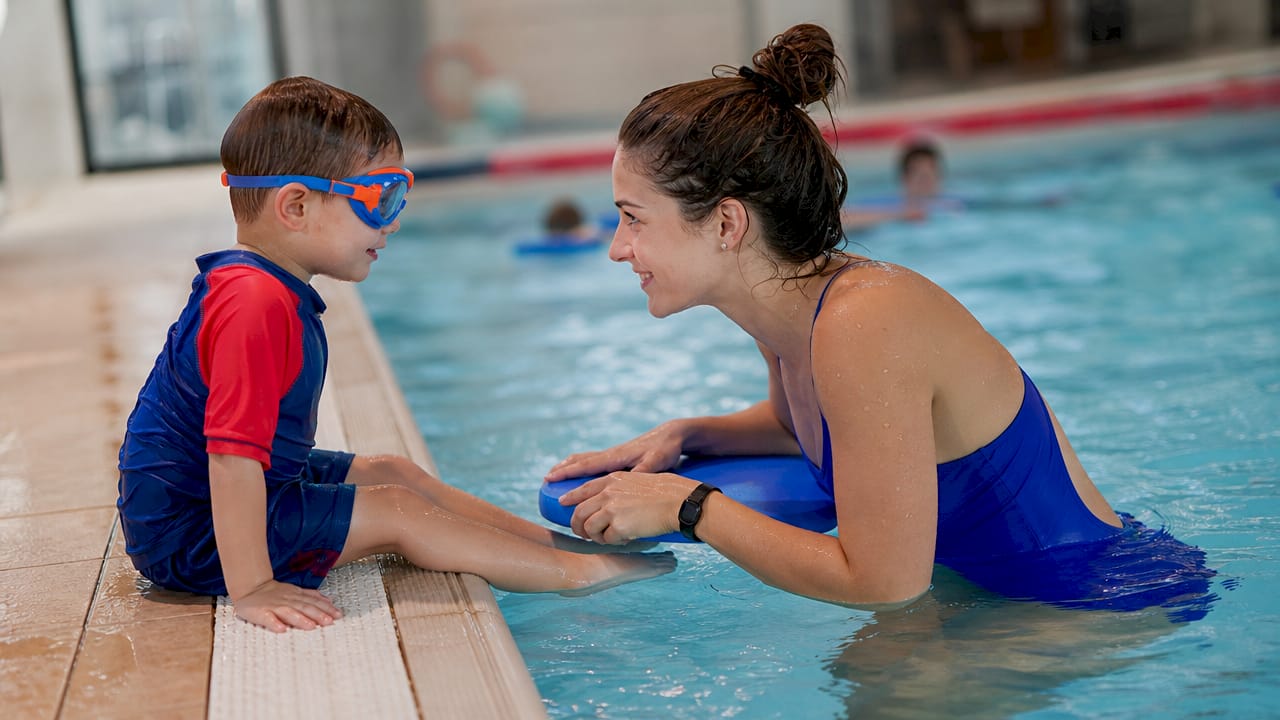
The most effective framework for swim goal setting for kids is the SMART model: Specific, Measurable, Achievable, Relevant, and Time-bound. Applied to swimming, a SMART goal sounds like “float on front for 5 seconds with light support” rather than “get better at floating.” Effective swim lesson goals focus on one clear, measurable objective per lesson. That single-focus approach prevents overwhelm and gives children a concrete win to celebrate.
Here are examples of SMART swim goals by age group:
Infants and toddlers (ages 1–3): Hum while face is submerged for 3 seconds; float on back with parent support for 5 seconds; kick legs while held at the wall.
Preschoolers (ages 3–5): Blow bubbles for 5 seconds; swim to a ring target 3 feet away; float independently for 5 seconds.
Early school age (ages 5–7): Swim 10 feet unassisted; tread water for 15 seconds; jump in and return to the wall.
Pro Tip: Translate your instructor’s lesson goal into a time or count metric you can track at home. If the lesson goal is “float on back,” your home version is “float for 3 seconds, then 5, then 8.” That progression makes progress visible to both you and your child.
A single primary objective per lesson reduces pressure and helps children focus on mastery step by step. Parents who understand the lesson goal can reinforce it between sessions, which accelerates progress.
Is your child ready for swim lessons?
Readiness is not just about age. The AAP notes that swim lessons can begin around age 1 with a readiness evaluation, and that most children are developmentally ready for structured lessons by age 4. Readiness depends on three factors: emotional maturity, physical ability, and water comfort.
Ask these questions before enrolling:
Does your child show curiosity about water rather than fear?
Can she follow simple two-step instructions?
Does she have enough core strength to kick and reach?
Has your pediatrician cleared her for group or individual lessons?
A child who cries at bath time is not necessarily unready for swim lessons. Fear of water is common and addressable. However, starting with goals that match her current comfort level, rather than goals that push her past it, produces faster long-term progress. An age-appropriate swim instruction approach accounts for both physical and emotional readiness before setting any skill objective.
Consulting a qualified swim instructor before the first lesson gives you a baseline. That baseline shapes every goal you set from day one. Without it, you are guessing.
What are good age-appropriate swim goals and milestones?
Concrete progress markers work better than vague targets for young children. Goal-setting for toddlers is most powerful when framed as fun, tangible wins that create a cycle of try, adjust, and succeed. That cycle builds persistence and problem-solving skills that extend well beyond the pool.
Here is a practical progression of children swimming progress goals by developmental stage:
Face dipping with humming. The child hums a song while her face touches the water. Humming prevents water from entering the nose and teaches breath control in a non-threatening way.
Supported back float. Parent holds the child at the surface while she relaxes her body. The goal is 5 seconds of relaxed floating, not perfect form.
Swimming to a target. A ring or pool noodle placed 3 feet away gives the child a visible destination. Reaching it feels like a real achievement.
Independent front float. The child holds her breath and floats face-down for 3 seconds without support. This is a major confidence milestone.
Jump in and return to wall. The child jumps from the pool edge and swims back unassisted. This skill directly supports self-rescue ability.
Pair each milestone with a small celebration. Concrete, immediately rewarding goals increase toddler motivation far more than abstract praise. A sticker chart, a high-five ritual, or a special post-lesson snack all reinforce the connection between effort and reward.
Why do safety and survival skills belong in every swim goal plan?
Stroke technique is not the same as water safety. A child who swims a beautiful freestyle stroke but panics when she falls in fully clothed is not water competent. Water survival competency must be integrated from the start because stroke skills alone do not protect children in unexpected situations.
Safety-focused swimming goals for children should include:
Self-rescue float: Roll to back and float calmly after an unexpected entry.
Reach an exit point: Swim to the nearest wall, ladder, or step without assistance.
Tread water: Stay afloat for 30 seconds in deep water.
Swim in clothes: Practice basic movement while wearing a T-shirt and shorts to simulate a real fall-in scenario.
“The goal of swim lessons is not to produce competitive swimmers. The goal is to produce children who can survive an unexpected water encounter.” — AAP guidance on water survival skills
Qualified instructors who understand child safety in the water build survival skills into every lesson from the first session. Parents should ask any swim program directly: “When do you introduce self-rescue?” If the answer is “later,” look for a different program.
How do you plan a long-term swim learning journey?
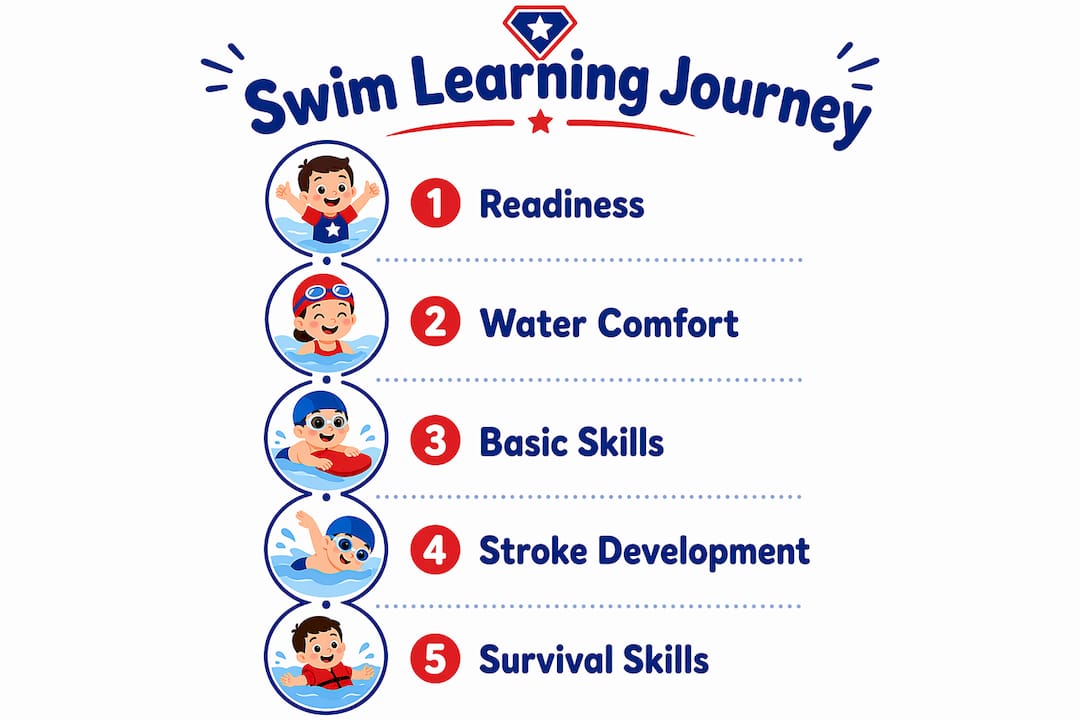
Realistic timelines prevent frustration for both parents and children. Basic independent swimming typically requires 20–40 quality lessons over 3–6 months. Comprehensive water competency, including strokes and survival skills, takes approximately 60–100 lessons over 12–24 months. That is a long runway, and intermediate goals are what keep children motivated across it.
Structure the long-term plan in three phases:
Phase 1 (months 1–3): Water comfort and basic survival. Goals focus on floating, breath control, and entering and exiting safely.
Phase 2 (months 3–9): Skill building. Goals target independent swimming distances, treading water, and basic stroke mechanics.
Phase 3 (months 9–24): Competency and confidence. Goals include swimming in varied conditions, longer distances, and multi-skill sequences.
Pro Tip: Keep a simple swim journal. After each lesson, write one thing your child did well and the current goal. Reviewing three months of entries shows parents and children how far they have come, which sustains motivation when progress feels slow.
Consistent lesson attendance is the single biggest predictor of progress. Gaps of two or more weeks cause skill regression in young children, which means you spend lessons re-learning rather than advancing. Davina’s Swim House notes that celebrating small wins and focusing on comfort before speed keeps children engaged through the long middle stretch of learning.
Phase | Timeline | Example goal |
Water comfort | Months 1–3 | Float on back for 5 seconds with light support |
Skill building | Months 3–9 | Swim 10 feet unassisted to the wall |
Full competency | Months 9–24 | Jump in, float, and swim to exit point in clothes |
Frame goals as direction, not pressure. A child who knows she is working toward something specific swims with more focus than one who is simply “taking lessons.”
Key takeaways
Effective swim goal setting for kids combines safety-first objectives, SMART milestones, and consistent long-term practice to build genuinely water-competent children.
Point | Details |
Start with readiness | Assess emotional maturity and water comfort before selecting any skill goal. |
Use SMART goals | One specific, measurable objective per lesson prevents overload and builds confidence. |
Prioritize survival skills | Include self-rescue, treading water, and clothed swimming from the earliest lessons. |
Plan for the long term | Basic swimming takes 20–40 lessons; full competency requires 60–100 over 12–24 months. |
Celebrate every milestone | Immediate, concrete rewards reinforce the effort-to-progress connection for young children. |
What I have learned from teaching over 2,500 kids to swim
Parents often come to Superheroswimacademy expecting their child to be swimming independently after a handful of lessons. That expectation, while understandable, sets everyone up for disappointment. What I have seen consistently across more than 2,500 children is this: the kids who make the fastest progress are not the most naturally athletic. They are the ones whose parents set clear, realistic goals and celebrate every small win along the way.
The most common mistake I see is parents focusing entirely on stroke mechanics and ignoring survival skills. A child who can do a textbook freestyle kick but cannot roll to her back after an unexpected fall is not safe in the water. Safety and skill are not the same thing, and goals need to reflect that difference from lesson one.
Patience is not passive. It means trusting the process, showing up consistently, and resisting the urge to compare your child’s progress to another child’s. Every child I have taught has had a different timeline. What they all share is that measurable, parent-supported goals made the difference between a child who tolerates water and a child who loves it.
— SUPERHERO
Superheroswimacademy: structured goals for every child
Superheroswimacademy builds every lesson around the exact goal-setting principles covered here. Each child receives a structured plan tied to her current skill level, with clear milestones parents can track from session to session.
Superheroswimacademy serves families across Palm Beach and Broward counties, with every instructor trained in CPR, First Aid, and the academy’s own survival swim curriculum. Parents receive regular progress updates so goals never feel like guesswork. Whether you prefer in-person lessons at a local facility or want to supplement with online swim courses, Superheroswimacademy gives you the structure to move your child forward with confidence. Visit Superheroswimacademy to find the right program for your child’s stage.
FAQ
When should kids start swim lessons?
The AAP recommends swim lessons starting around age 1, based on individual readiness. Most children are developmentally ready for structured lessons by age 4.
How many swim lessons does a child need to learn to swim?
Basic independent swimming typically requires 20–40 lessons over 3–6 months. Full water competency, including survival skills and strokes, takes approximately 60–100 lessons over 12–24 months.
What is a good swim goal for a toddler?
A strong toddler goal is humming while dipping her face in the water, or floating on her back with parent support for 5 seconds. Tangible, immediately rewarding goals build confidence and motivation faster than abstract skill targets.
Should swim goals include water survival skills?
Yes. Stroke technique alone does not make a child safe. Goals should include self-rescue floating, reaching an exit point, and eventually swimming in clothes to prepare for unexpected water entry.
How do parents track swim progress at home?
Translate each lesson goal into a time or count metric, such as “float for 5 seconds” or “kick 10 times.” Tracking progress with a simple journal or checklist makes improvement visible and keeps both parent and child motivated between lessons.
Recommended
Comments